
Call to action
From Blueprint to Movement
South Africa has a shared plan for its youngest children, and the backing to act on it. What happens next depends on all of us.
4 min read · Pages 4–7 in print
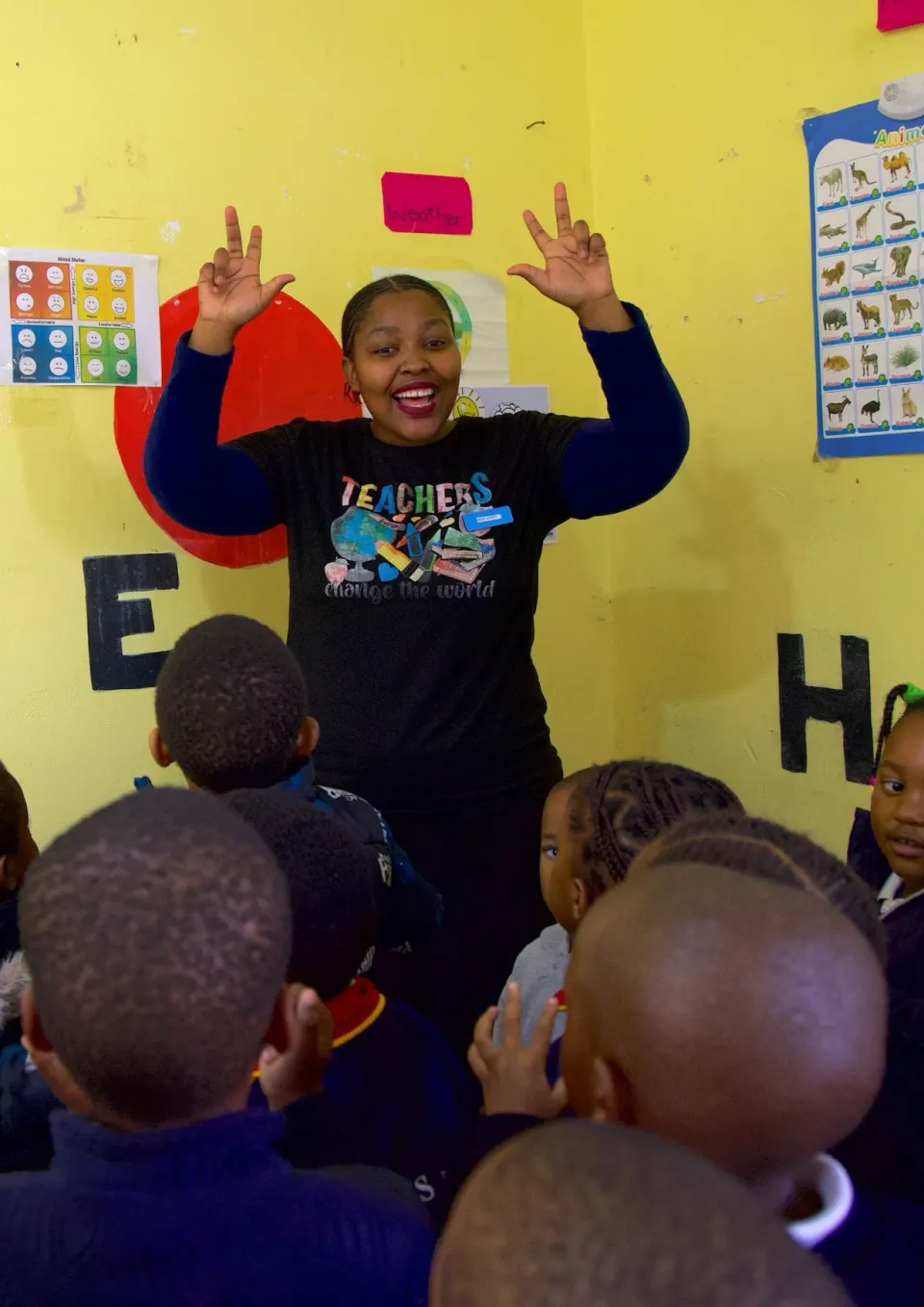
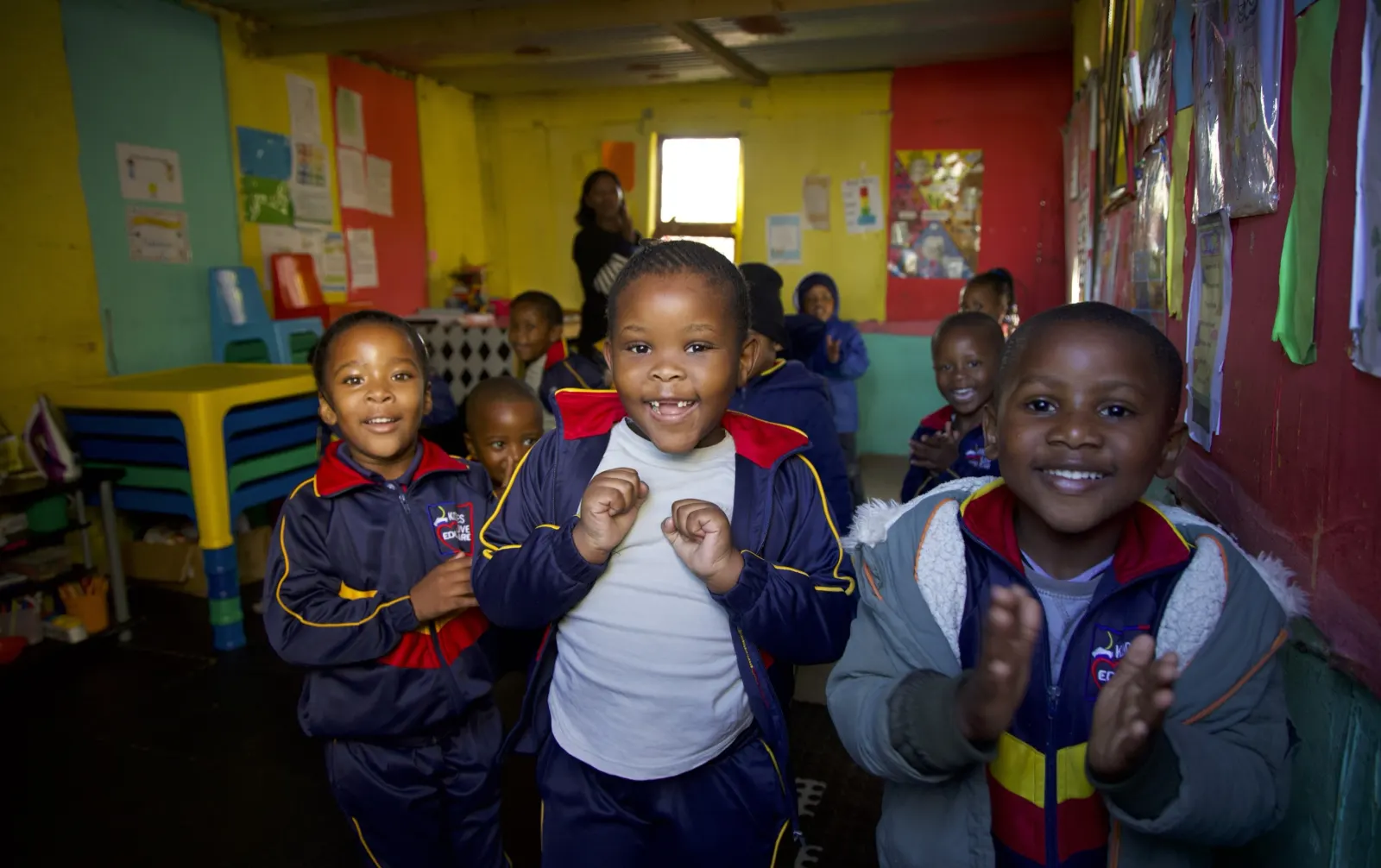
From Umlazi to Mthatha, Kliptown to Kokstad, early learning practitioners, parents, local government officials, faith leaders, funders and community organisations are rallying behind a growing movement anchored in a single idea: Bana Pele, putting children first. Their shared goal is universal access to quality early learning for every child in South Africa by 2030.
Too many children, particularly those from poorer communities, still enter primary school at a developmental disadvantage with negative consequences that can extend well beyond their school years. The Bana Pele Shared Blueprint was developed collaboratively across government, civil society and the private sector to help change that. It gives practical expression to putting children first by asking what needs to change, who needs to act and how the considerable expertise already present across the country can be brought together around one purpose.
The moment for that movement is now. The President has made early learning a national priority, while the Inter-Ministerial Committee on Early Childhood Development (ECD) he convened brings several departments together around a common agenda. In the 2026/27 Budget, the ECD grant received an additional R12.8 billion over three years, intended to expand subsidised services to another 300,000 children. That is significant backing, but it is not the finish line. Money alone will not carry us there.
South Africans know what can happen when a national problem is met with a shared plan and coordinated action. The progress made in stabilising electricity supply did not come from one institution acting alone. It required government, business and others to work differently and in concert.
Bringing departments, municipalities, NGOs, funders and practitioners around a common agenda means changing habits built over years. It means moving from isolated programmes to collective effort, from loyalty to our own solution to commitment to the problem and from waiting for a single hero to building coalitions of leaders.
People will bring different views, methods and mandates. What must hold us together is one non-negotiable: children come first. Real collaboration may mean sharing information institutions once held closely, aligning resources behind priorities larger than any one organisation and listening to practitioners and communities early enough for their experience to shape solutions.
That shift in mindset is part of building a movement. Instead of beginning with what belongs to my department, my organisation or my programme, the starting question becomes: what do children need from all of us?
Different parts of government are also aligning around practical barriers. The Departments of Basic Education and Cooperative Governance and Traditional Affairs together with the South African Local Government Association have developed a Red Tape Reduction Toolkit and guidance for incorporating ECD into municipal Integrated Development Plans, rolled out to all metros and district municipalities. At community level, Bana Pele Community Hubs are bringing local organisations together around common priorities. And in work developing new digital tools, practitioners themselves have helped identify the everyday problems these tools will need to solve.
We want to continue improving the pace at which things are happening. We still have some barriers to reaching all programmes and ensuring that local partnerships have the support they need. A movement is not defined by the absence of problems, but by how honestly and courageously it faces them and how willingly people come together to solve them.
The Bana Pele Leadership Summit, taking place later this month under the theme “From Blueprint to Movement”, is an opportunity to widen that sense of ownership. The question for delegates should not simply be whether they support Bana Pele, but what they are prepared to contribute.
For government, that might mean strengthening its leadership to remove a barrier or better aligning a system more closely with practitioners’ realities. For funders and business, it may mean directing resources towards shared priorities rather than isolated initiatives. For sector organisations, it could mean sharing expertise, relationships or platforms so others can benefit. For families and communities, it means keeping children safe, nourished, loved and able to learn.
The Shared Blueprint can give this work direction. Public investment can expand what is possible. Policy can create the conditions for change. But no document, budget or institution can create a movement on its own.
Bana Pele becomes a movement when putting children first becomes a mindset we carry into the decisions we make, the resources we control and the way we work together. You do not need to work in early childhood development, or even have children of your own, to have a stake in that. Putting children first is ultimately an investment in the future we want for South Africa.
Before joining the Bana Pele Secretariat, Roshene Singh served as the Chief of Staff and Deputy Director-General in the Office of the President.